
Is Conversational AI Safe for School Students?
Is Conversational AI Safe for School Students? This question has become more important than ever as artificial intelligence becomes a regular part of classrooms and everyday life. Parents, teachers, and school leaders are increasingly asking, Is Conversational AI Safe for School Students?, as students use conversational AI, AI chatbots, and other intelligent tools for homework, research, and interactive learning. Understanding both the opportunities and the potential risks has become essential for creating a safe digital learning environment.
At the same time, the rise of AI social companions and digital companionship has sparked concerns about privacy, emotional well-being, and healthy social development. While these technologies can encourage creativity, improve problem-solving skills, and provide personalized learning support, they also introduce challenges that schools and families cannot afford to overlook. Responsible supervision and age-appropriate use are critical to ensuring students benefit from AI without becoming overly dependent on it.
Ultimately, Is Conversational AI Safe for School Students? The answer depends on how these tools are designed, monitored, and used. When supported by clear guidelines, parental involvement, and responsible school policies, conversational AI can become a valuable educational resource. By understanding both its benefits and limitations, families and educators can ensure that Is Conversational AI Safe for School Students? is answered with confidence through safe, ethical, and informed use.

What Is Conversational AI and Why Are Students Using It?
To understand Is Conversational AI Safe for School Students?, it is important to first understand what conversational AI is and why it has become so popular among young learners. Conversational AI refers to computer systems that communicate with people using natural, human-like language. Unlike traditional search engines that simply provide links or information, conversational AI engages users in interactive conversations that feel more personalized. Popular platforms such as ChatGPT can answer questions, explain difficult topics, generate creative ideas, and maintain ongoing discussions. Powered by advanced machine learning models, these systems deliver AI-powered conversations that often resemble human communication, making them highly appealing to students.
Students are increasingly turning to AI companion tools because they receive instant answers without fear of criticism or embarrassment. Many young users appreciate the sense of digital companionship and personalized support these systems provide. Research on youth AI usage shows that children and teenagers often rely on conversational AI for both education and entertainment. For some, chatbot interactions create a feeling of chatbot companionship that offers convenience and emotional comfort. As conversations with AI become more common, educators and parents continue to ask, Is Conversational AI Safe for School Students? Understanding how children and AI, as well as teens and AI relationships, develop over time is essential for encouraging responsible use while minimizing potential risks.
Benefits of Conversational AI for School Learning
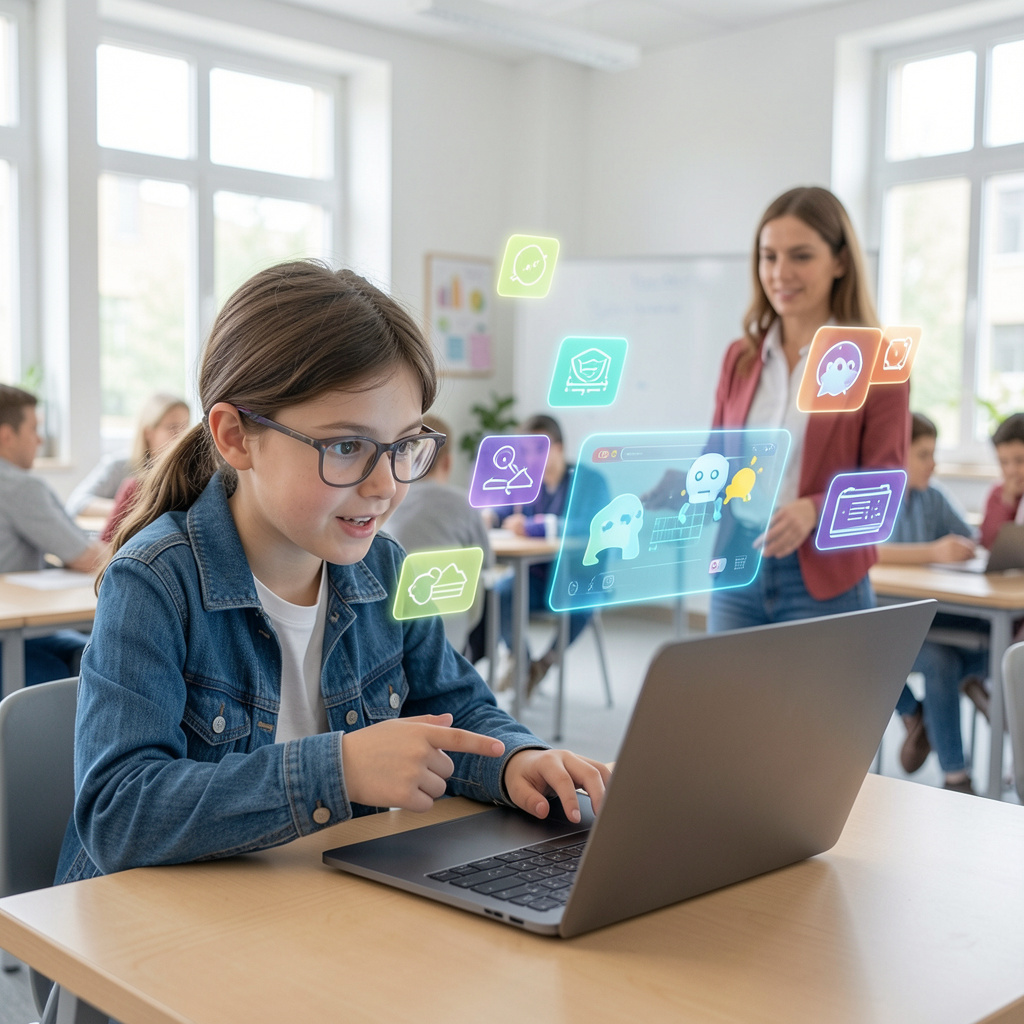
One of the strongest advantages of conversational AI is personalized learning support. Students can receive explanations tailored to their individual needs and learning styles. Complex topics become easier to understand when AI breaks them into simple steps. Many learners use AI to improve writing skills, solve math problems, study for exams, and explore new subjects. These educational applications demonstrate how responsible AI can support academic growth while encouraging independent learning.
Conversational AI can also increase classroom engagement. Students who hesitate to ask questions in front of others may feel more comfortable interacting with AI systems. Educational platforms can provide immediate feedback, helping learners correct mistakes and strengthen understanding. Furthermore, AI can support accessibility by assisting students with language barriers or learning differences. When used correctly, technology and children can work together to improve educational outcomes while promoting digital well-being and informed decision-making.
How Students Interact with AI Chatbots and Virtual Companions
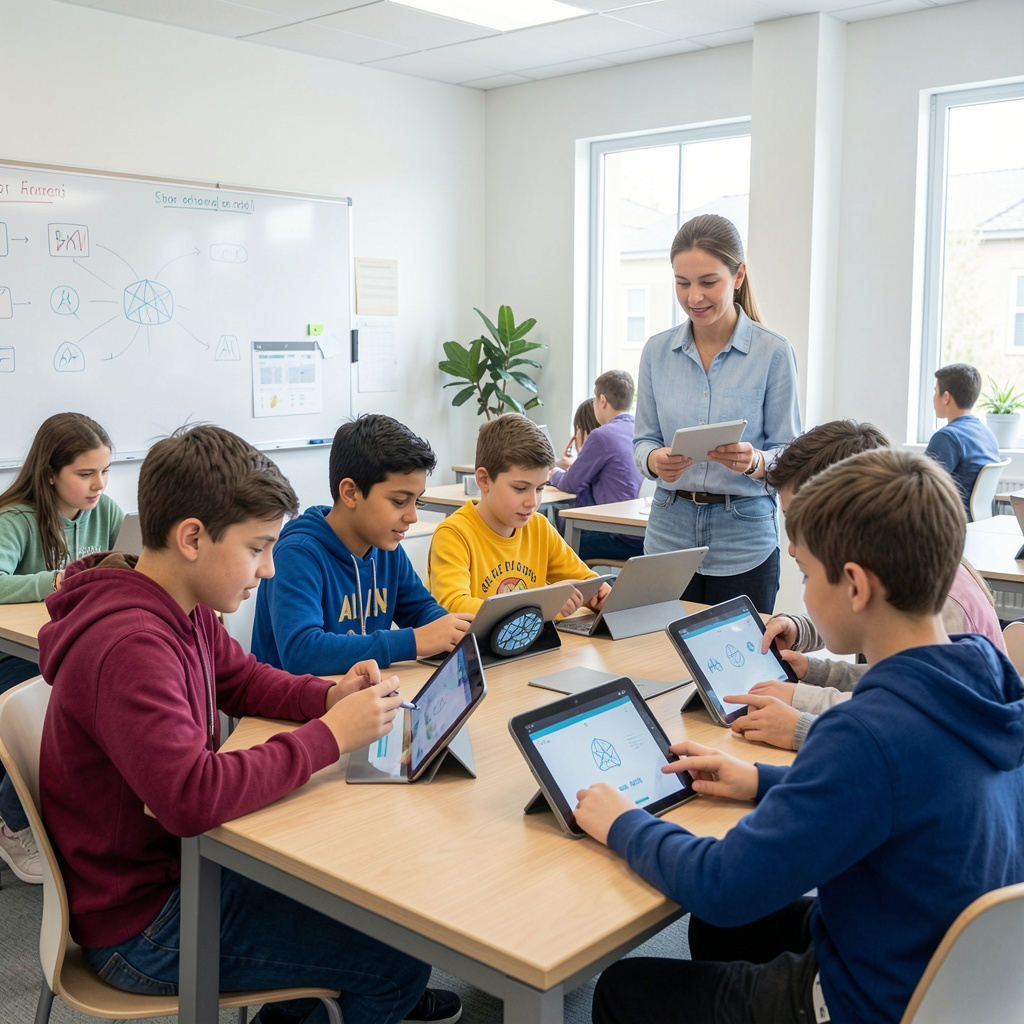
Many students first encounter AI through educational applications. They use AI for homework assistance, essay planning, language practice, and test preparation. However, the role of AI is expanding beyond academics. A growing number of young users engage with AI for emotional support, entertainment, and companionship. These interactions often involve AI friendship, casual conversations, and ongoing communication that can feel surprisingly personal.
The design of many AI systems encourages users to form emotional connections. Through human-mimicking bots, personalized responses, and sophisticated emotional simulation, AI can create the impression of understanding and empathy. Over time, some students may develop AI relationships that feel meaningful even though the technology does not experience genuine emotions. This process can contribute to AI emotional attachment, especially when students rely heavily on AI interactions during periods of loneliness, stress, or uncertainty.
Key Safety Risks of Conversational AI for School Students
Although conversational AI offers educational benefits, it also presents significant challenges. The biggest concerns involve information accuracy, emotional influence, privacy protection, and social development. Experts studying AI and child development and adolescent development continue to explore how prolonged interaction with AI may affect learning, behavior, and mental health. Understanding these risks is essential for creating safer environments for young users. When asking, “Is Conversational AI Safe for School Students?” it is important to examine both the educational advantages and the potential risks.
The safety discussion extends beyond technology itself. It includes how students interpret information, build relationships, and develop social skills. Concerns about youth mental health, AI companionship risks, and the long-term effects of AI interactions have led researchers, educators, and parents to call for stronger safeguards. While AI can be a useful tool, it should not replace healthy human connections or trusted adult guidance.

Exposure to Inaccurate or Harmful Information
One major concern involves the possibility of receiving inaccurate information. AI systems can occasionally generate false facts, incorrect explanations, or misleading recommendations. Students may assume that confident answers are always correct. Unfortunately, AI does not truly understand information the way humans do. This can create educational problems when learners rely on AI without verifying sources or consulting teachers.
Another challenge involves inappropriate or harmful content. Although many platforms include safety measures, mistakes can still occur. Some experts warn about the dangers of AI chatbots when users seek advice on sensitive topics. The influence of AI-generated advice can affect decision-making, especially among younger users who may not recognize errors or biases. These concerns contribute to growing discussions about AI chatbot risks, AI trust and safety, and responsible platform design. These issues are central to the ongoing debate over “Is Conversational AI Safe for School Students?”
Privacy and Data Security Concerns
Privacy remains one of the most important issues surrounding student AI use. Many conversational platforms collect user data to improve performance and personalize experiences. Students may unknowingly share personal information during conversations. This creates concerns about how data is stored, protected, and potentially used in the future. Strong safeguards are necessary to support child safety online and reduce privacy risks.
As governments and organizations develop new policies, discussions about AI safety regulations continue to grow. Schools must carefully evaluate AI tools before introducing them into learning environments. Principles of ethical AI design emphasize transparency, accountability, and user protection. These measures support AI safety for children and encourage the development of trustworthy educational technologies. Responsible implementation remains essential as AI adoption increases. Addressing these privacy concerns is another important factor when evaluating, “Is Conversational AI Safe for School Students?”
Impact on Social Skills and Human Relationships
Human relationships play a vital role in healthy childhood growth. Friends, family members, classmates, and teachers help young people develop communication abilities, empathy, and emotional understanding. When students spend excessive time interacting with AI systems, concerns emerge about social skill development and reduced human interaction. While AI can simulate conversations, it cannot replace the complexity of real human relationships that teach compromise, patience, and emotional awareness.
Researchers studying AI and adolescent psychology have raised concerns about AI replacing human companionship in certain situations. Some students may prefer AI conversations because they feel easier and less stressful than real social interactions. Over time, this preference could contribute to weaker peer relationships and fewer opportunities to practice real-world social skills. Concerns about AI impact on friendships, AI impact on communication skills, and AI and social cognition continue to attract attention among educators and child development experts.
The emotional side of AI interaction deserves special attention. Young users may develop strong attachments to systems designed to provide supportive responses. This can increase the risk of emotional dependence on AI and attachment to AI companions. Because AI always appears available and responsive, students may begin relying on it for reassurance rather than seeking support from trusted adults or friends. Such patterns can affect AI and emotional regulation, personal resilience, and healthy coping skills.
Experts also examine how AI may influence identity formation during adolescence. Teen years are critical for AI and identity development, AI and self-concept, and moral growth. During this stage, young people learn who they are through interactions with real people and real experiences. Excessive dependence on AI could potentially affect AI and moral reasoning, AI and peer interaction, and even perceptions of healthy relationships. This is why balanced technology use remains essential. Ultimately, the answer to “Is Conversational AI Safe for School Students?” depends on responsible use, parental guidance, strong privacy protections, and healthy limits on AI interaction.
What Parents and Educators Can Do to Promote Safe AI Use
Parents and teachers play an important role in helping students use AI safely. Open communication is often the most effective strategy. Regular discussions about how AI works can help children understand both its strengths and limitations. Honest parent-child conversations about AI encourage critical thinking and reduce the likelihood that students will blindly trust AI-generated responses.
Another important step involves establishing healthy boundaries. Students benefit from clear expectations regarding screen time and technology use. Effective screen time management allows children to enjoy educational benefits while maintaining healthy routines. Parents can monitor AI companion use without creating fear or distrust. The goal is to encourage responsible behavior rather than complete avoidance.
Teaching digital literacy is equally important. Students should learn how to evaluate information, verify sources, and recognize potential inaccuracies. Understanding manipulative AI design helps young users identify systems that may encourage excessive engagement. Building AI literacy for parents and students creates a stronger foundation for safe and informed decision-making.
Healthy development also requires opportunities for real-world interaction. Families and schools can promote activities that strengthen empathy development, communication skills, and personal relationships. Encouraging sports, clubs, creative projects, and face-to-face conversations helps support healthy relationships and long-term digital well-being. AI should complement these experiences rather than replace them.
A useful observation from child development specialists is often summarized in this statement:
“Technology should be a tool that supports growth, not a substitute for human connection.”
This principle reflects growing concerns among organizations such as Common Sense Media and researchers including Anne Maheux, Michael Robb, and Andrew Clark, who emphasize balanced technology use and healthy social development.
Guidelines for Responsible Conversational AI Use in Schools
Schools increasingly recognize the need for clear AI policies. As conversational AI becomes more common in classrooms, educators must establish expectations regarding appropriate use. Effective guidelines help students understand when AI can support learning and when independent thinking remains necessary. Clear standards also encourage responsible AI use and reduce misuse.
Educational institutions should carefully evaluate AI platforms before implementation. Privacy protections, age-appropriate safeguards, and transparent policies should be priorities. Schools must ensure that AI systems align with educational goals while protecting student information. Strong oversight supports AI companion safety for children and reduces unnecessary risks.
Teacher training is another critical component. Educators need practical knowledge about AI capabilities and limitations. Professional development programs can help teachers identify potential concerns, evaluate AI-generated content, and guide students toward responsible behavior. This approach strengthens trust while improving learning outcomes.
One of the most important lessons schools can teach is that AI should remain a learning tool rather than an emotional substitute. The principle of AI as a tool not a friend helps students maintain healthy expectations. Encouraging balanced use can help prevent youth overdependence on AI and support positive social development.
The following table summarizes key school responsibilities:
| Area | Recommended Action | Purpose |
| Student Education | Teach AI literacy and critical thinking | Improve safe usage |
| Privacy Protection | Review data collection practices | Protect student information |
| Teacher Training | Provide AI-focused professional development | Strengthen classroom guidance |
| Parent Communication | Share AI policies and expectations | Build transparency |
| Ongoing Monitoring | Evaluate AI tools regularly | Maintain safety standards |
Case Study: A Middle School AI Pilot Program
A middle school in the United States introduced conversational AI as a classroom support tool. Students used AI for brainstorming, research assistance, and writing improvement. Teachers monitored interactions and required students to verify information through trusted sources. After one semester, student engagement improved and research skills strengthened.
However, educators also noticed that some students began relying too heavily on AI-generated answers. The school responded by introducing lessons on critical thinking and source evaluation. This balanced approach demonstrated that AI can provide educational benefits when combined with supervision, clear policies, and responsible use practices.
Conclusion: Balancing AI Innovation and Student Safety
So, is conversational AI safe for school students? The answer is not simply yes or no. Conversational AI offers valuable educational opportunities. It can support learning, increase engagement, and improve access to information. At the same time, concerns about AI social companions, AI emotional attachment, privacy, misinformation, and social development cannot be ignored.
The future of AI companions and youth will depend largely on how these technologies are designed and used. Parents, educators, technology companies, and policymakers all share responsibility for creating safe environments. Strong safeguards, transparent policies, and continuous education articles reduce risks while preserving benefits.
Students should learn that AI is a powerful tool rather than a replacement for human relationships. Real friendships, family connections, and meaningful social experiences remain essential for healthy development. When supported by thoughtful guidance and responsible AI use for young people, conversational AI can become a helpful educational resource without compromising student well-being.
Frequently Asked Questions
Is conversational AI safe for children under 13?
Conversational AI can be used safely when parents provide supervision and choose age-appropriate platforms. Younger children may need additional guidance because they often struggle to distinguish AI-generated information from verified facts.
How do AI chatbots affect teenagers emotionally?
AI chatbots can provide convenience and engagement. However, excessive use may contribute to chatbot dependency, AI emotional attachment, and reduced reliance on real-world support systems.
Can AI companions replace real friendships?
No. While AI can simulate conversation, it cannot provide genuine empathy, shared experiences, or authentic emotional relationships. Real friendships remain essential for healthy development.
What are the biggest AI chatbot risks for students?
The most significant concerns include misinformation, privacy issues, excessive dependence, reduced social interaction, and exposure to inappropriate content.
How can parents monitor AI use safely?
Parents can maintain open communication, establish screen time limits, review privacy settings, and encourage children to discuss their AI experiences regularly.
Why is AI literacy important for students?
AI literacy helps students understand how AI works, recognize limitations, verify information, and use technology responsibly in both academic and personal settings.
What is the most important rule for safe AI use?
The most important principle is simple: use AI as a helpful assistant while continuing to prioritize real human relationships, critical thinking, and healthy technology habits.