AI Helps Combat Security Fatigue by Automating Smarter Security
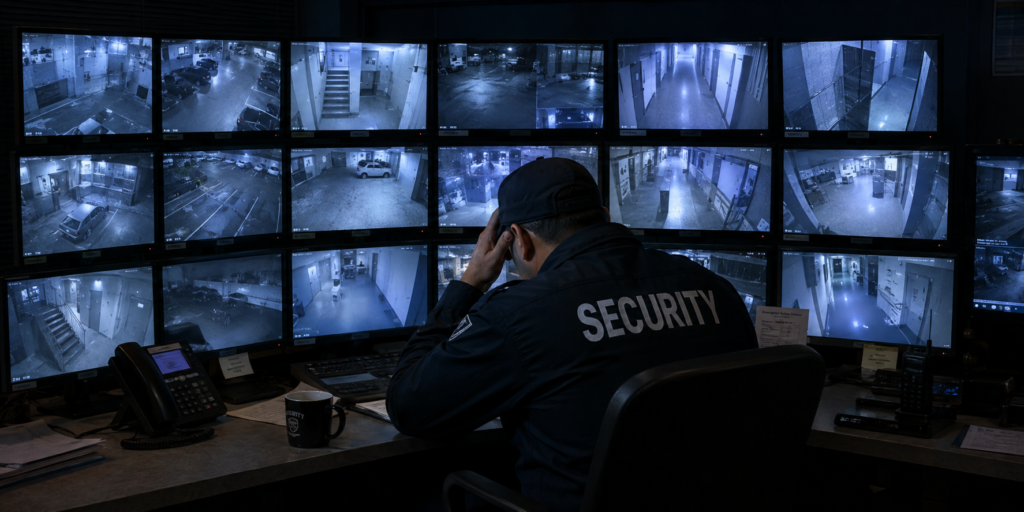
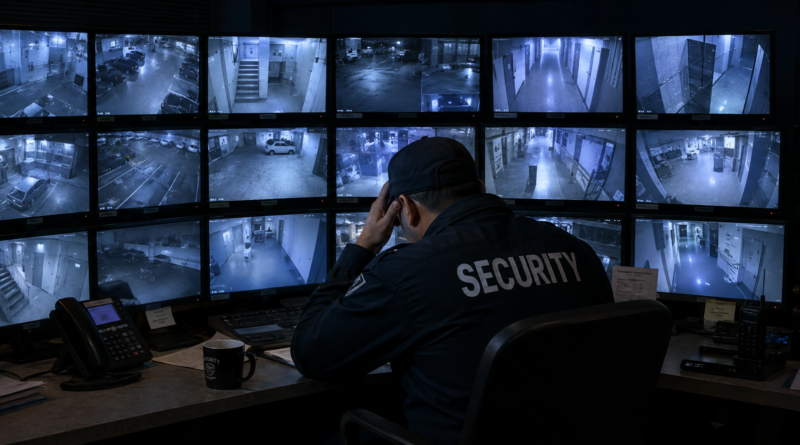
AI Helps Combat Security Fatigue by starting with a scene most security teams know too well. It’s 2 AM, a guard is watching sixteen camera feeds, and nothing has happened in that parking lot for six months. Then an alert pops up. Then another. Then twelve more before sunrise, and every single one turns out to be a stray cat or a delivery driver with every right to be there. By the time something actually matters, the guard’s finger is already hovering over “dismiss.”
That’s Tuesday for most security operations. Businesses now receive thousands of alerts daily from cameras, sensors, and access control systems, and staff must review nearly all of them. Over time, this constant stream of information causes mental exhaustion, slower reactions, and costly security fatigue that quietly drains both people and budgets.
AI Helps Combat Security Fatigue by eliminating the repetitive work behind this exhaustion. Instead of analysts spending hours reviewing footage and clearing duplicate notifications, modern Machine Learning scans thousands of events in seconds and prioritizes what genuinely needs attention. AI doesn’t replace the team, it lightens the load. AI-powered Video Intelligence, Security Automation, and Video Analytics work together to turn chaotic alert streams into something manageable.
Businesses also benefit from Cloud-based Analytics and Cloud Video Management, which improve visibility while cutting costs. Whether it’s retail, warehouses, or restaurants, AI strengthens Loss Prevention, supports every Operations Manager, and automates incident reporting. AI Helps Combat Security Fatigue by turning a reactive, overwhelming process into something proactive and sustainable.
AI Helps Combat Security Fatigue by Reducing Alert Overload

Modern security systems generate enormous amounts of information every minute. Cameras, motion sensors, access control devices, alarms, and monitoring software continuously produce alerts that demand attention. Without intelligent filtering, security staff must review almost everything manually. This creates unnecessary stress and wastes valuable time that should be spent investigating genuine threats.
Artificial intelligence changes this process by understanding patterns, identifying risk levels, and highlighting only the events that truly require human attention. Instead of forcing security teams to react to every notification, AI delivers meaningful insights that improve decision-making while reducing mental exhaustion.
Why Security Fatigue Is Becoming a Growing Business Risk
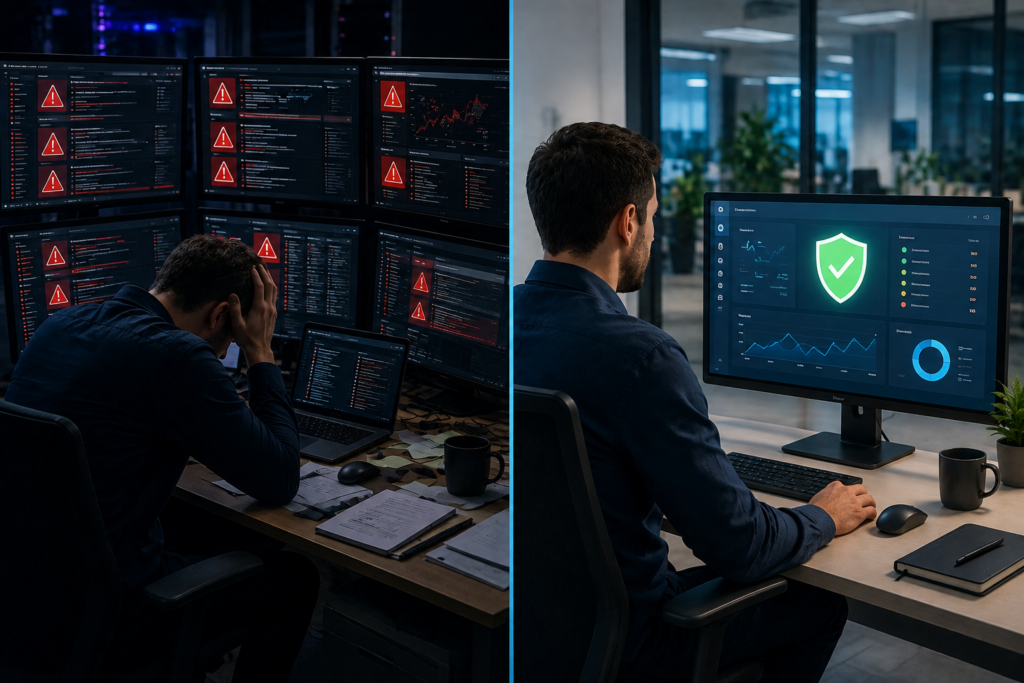
Many organizations confuse security fatigue with alert fatigue, but they are slightly different problems. Alert fatigue happens when employees receive too many notifications and begin ignoring them. Security fatigue is much broader. It includes emotional stress, mental exhaustion, reduced focus, slower decision-making, and declining job performance caused by continuous monitoring responsibilities. As businesses install more cameras and connected devices, this problem continues to grow.
The consequences affect both security and business performance. Tired employees may overlook suspicious behavior, delay responses, or incorrectly classify important incidents. Continuous manual monitoring also increases human error, lowers analyst confidence, and extends investigation times. Organizations that fail to address security fatigue often experience weaker protection, reduced employee satisfaction, and higher operational costs.
Security Fatigue vs. Alert Fatigue
| Security Fatigue | Alert Fatigue |
| Long-term mental exhaustion | Too many notifications |
| Affects productivity | Affects response to alerts |
| Caused by continuous monitoring | Caused by excessive alerts |
| Leads to burnout | Leads to ignored notifications |
| Impacts overall operations | Primarily impacts investigations |
How AI Prioritizes Threats Instead of Every Alert
Traditional monitoring systems usually treat every event the same. A person walking near a building after business hours may receive the same priority as a tree moving in strong wind. This forces analysts to investigate many harmless events before finding a genuine security issue. AI changes this approach by understanding context rather than simply detecting movement.
Modern AI-powered threat detection uses Behavioral Analysis, Pattern Recognition, and Machine Learning to evaluate each event before notifying security personnel. Instead of flooding analysts with alerts, AI assigns threat scores based on risk. Activities such as unauthorized entry, unusual movement, or suspicious behavior receive higher priority, while routine events remain in the background. This intelligent filtering helps organizations respond faster without overwhelming employees.
How AI Prioritizes Security Events
| AI Capability | Business Benefit |
| Behavioral Analysis | Understands normal and abnormal activities |
| Pattern Recognition | Identifies suspicious movement |
| Threat scoring | Prioritizes high-risk events |
| Risk classification | Reduces unnecessary investigations |
| Intelligent alert filtering | Improves response speed |
Reducing False Positives with AI Security Monitoring

False alarms remain one of the biggest reasons for security fatigue. Traditional surveillance systems often trigger alerts because of weather, lighting changes, animals, moving shadows, or harmless customer activity. Security personnel spend valuable hours investigating events that pose no actual threat. Repeating this process every day creates frustration and decreases confidence in the monitoring system.
Modern AI Security Monitoring uses AI anomaly detection and context-aware analysis to determine whether an event deserves attention. Instead of reacting to simple motion, AI evaluates the surrounding environment, object behavior, movement patterns, and historical activity before generating an alert. This dramatically reduces repetitive notifications while helping analysts trust the alerts they receive. As false positives decline, investigations become faster, more accurate, and less stressful.
Traditional Monitoring vs AI Monitoring
| Traditional Monitoring | AI Monitoring |
| Detects motion only | Understands activity |
| High false positives | Low false positives |
| Manual review required | Automated validation |
| Constant notifications | Prioritized alerts |
| Higher stress | Higher confidence |
Benefits of Intelligent Alert Management
Effective alert management is not about generating more notifications. It is about delivering the right information at the right time. AI helps organizations filter noise, prioritize critical incidents, and reduce unnecessary investigations. Analysts spend less time reviewing harmless events and more time responding to real security risks.
The business benefits extend beyond security operations. Organizations experience faster incident response, stronger protection, better resource allocation, and healthier work environments. Employees feel less overwhelmed because they focus on meaningful investigations instead of endless notifications. This creates a stronger security posture, improves operational resilience, and significantly reduces burnout among security professionals.
“The goal of AI is not to generate more alerts. The goal is to ensure the right alert reaches the right person at the right time.”
AI Helps Combat Security Fatigue by Automating Repetitive Security Workflows
Many security departments still rely on manual processes that consume hours every day. Analysts often spend more time reviewing videos, writing reports, checking cameras, and organizing evidence than responding to actual threats. These repetitive tasks reduce efficiency and leave little time for proactive security planning.
AI automates routine activities that once required significant human effort. Instead of replacing experienced security professionals, automation handles repetitive work while people focus on investigation, decision-making, and risk management.
Why Manual Security Workflows Waste Valuable Time
Security investigations often begin with hours of searching through recorded video. Analysts manually review footage from multiple cameras, compare timelines, identify people involved, and collect evidence before creating incident reports. This process is slow, repetitive, and mentally exhausting, especially when handling multiple investigations simultaneously.
Daily responsibilities also include monitoring camera health, verifying recording quality, documenting incidents, coordinating investigations, and maintaining compliance records. These tasks are important but repetitive. As organizations grow, manual workflows become increasingly difficult to manage, contributing directly to security fatigue and lower productivity.
Common Manual Security Tasks
| Manual Task | Challenge |
| Reviewing video footage | Time-consuming |
| Writing reports | Repetitive documentation |
| Camera health checks | Continuous monitoring |
| Evidence collection | Manual searching |
| Investigation management | High workload |
AI Security Automation Eliminates Repetitive Tasks
Modern AI Security Automation transforms repetitive work into automated workflows. AI automatically reviews video events, identifies suspicious activity, organizes evidence, and creates detailed investigation summaries. Analysts receive ready-to-review information instead of spending hours collecting it manually.
Automation also improves reporting. Automated Incident Reporting generates structured documentation using detected events, timestamps, camera information, and supporting video evidence. Some platforms even produce AI-generated incident summaries, allowing investigators to understand incidents quickly before conducting deeper reviews. This saves valuable time while improving reporting consistency.
AI Workflow Automation Benefits
| AI Automation | Result |
| Automated investigations | Faster case resolution |
| AI workflow automation | Reduced manual effort |
| Automated incident reporting | Better documentation |
| AI-generated summaries | Faster reviews |
| Smart evidence collection | Improved efficiency |
AI Video Review Speeds Up Investigations

Searching through hours of recorded footage has traditionally been one of the most frustrating parts of physical security investigations. Investigators may spend several hours looking for a single event, especially when multiple cameras are involved. Manual searches delay investigations and increase operational costs.
Modern AI video search, Searchable Video, Video Indexing, and Automated Video Review dramatically improve this process. AI tags important events, recognizes people, vehicles, objects, and activities, making footage searchable within seconds. Instead of reviewing every minute of recording, investigators simply search using keywords, timestamps, or specific behaviors, reducing investigation time from hours to minutes.
Investigation Time Comparison
| Investigation Process | Manual Review | AI Review |
| Finding incidents | Hours | Minutes |
| Evidence collection | Manual | Automated |
| Video search | Sequential | Searchable |
| Report preparation | Manual | AI-assisted |
| Case completion | Slow | Fast |
Business Benefits of Automated Security Operations
Automation delivers value far beyond the security department. When repetitive work decreases, analysts become more productive, investigations move faster, and operational costs decline. Organizations can manage more facilities without proportionally increasing staffing levels. This creates stronger security while improving business efficiency.
Business leaders also gain better visibility into operations because AI continuously collects, organizes, and analyzes security information. This supports faster decision-making, improves workforce productivity, strengthens Operational Efficiency, and enables organizations to respond more effectively to emerging risks.
AI Helps Combat Security Fatigue by Improving Cloud VMS Monitoring
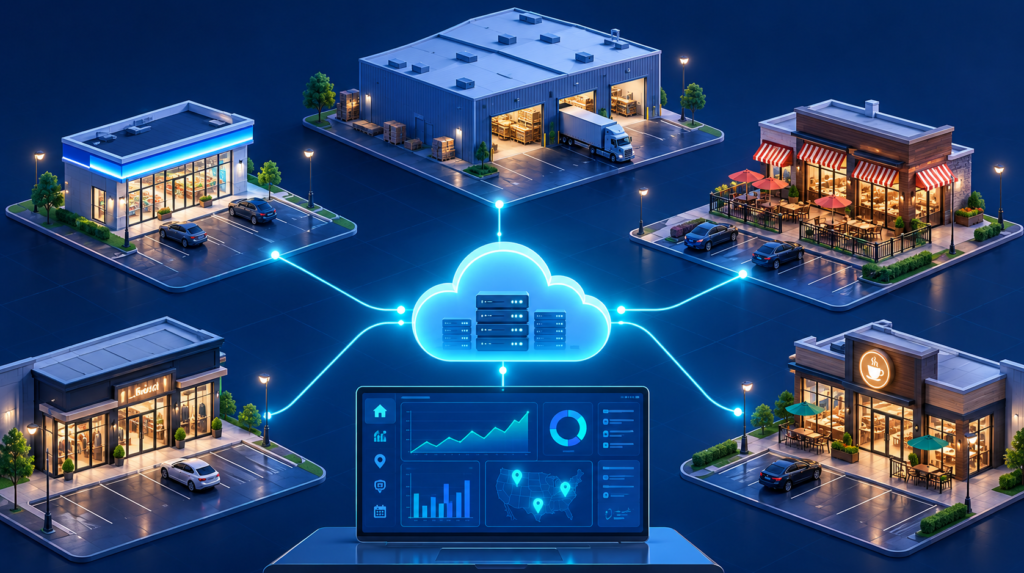
Organizations with multiple locations often struggle to monitor hundreds or thousands of cameras spread across different buildings. Traditional video management systems require local servers, manual maintenance, and separate monitoring processes. As businesses expand, these systems become expensive and difficult to manage.
Modern Cloud Video Management (Cloud VMS) simplifies security operations by bringing cameras, analytics, and monitoring tools into one centralized platform. AI further improves these systems by continuously analyzing video, monitoring camera health, and providing intelligent insights across every connected location.
What Is Cloud Video Management (Cloud VMS)?
Cloud Video Management (Cloud VMS) is a centralized platform that stores, manages, and analyzes security video using cloud infrastructure rather than relying entirely on local hardware. Organizations access recorded footage, live cameras, and security data through secure internet connections from virtually any authorized location.
Modern platforms combine Cloud-based Analytics, Cloud Infrastructure, centralized monitoring, and intelligent Video Security Platforms into one easy-to-use solution. This reduces maintenance requirements while improving accessibility, scalability, and business continuity. Instead of managing separate recording systems at every site, organizations monitor everything through a unified dashboard.
Traditional VMS vs Cloud VMS
| Traditional VMS | Cloud VMS |
| Local servers | Cloud infrastructure |
| Separate locations | Centralized monitoring |
| Manual updates | Automatic updates |
| Higher maintenance | Lower maintenance |
| Limited scalability | Easy expansion |
Managing Multiple Locations from One Dashboard
Businesses operating several stores, offices, warehouses, or restaurants need complete visibility across every facility. Without centralized management, security staff must access separate systems for each location, making investigations slower and increasing administrative workload.
Cloud platforms solve this challenge through Multi-site Security, centralized Camera Infrastructure, Continuous Monitoring, and Remote Management. Security teams monitor every location from one interface, compare incidents across facilities, and respond quickly regardless of where an event occurs. This improves consistency while reducing operational complexity.
AI Keeps Camera Systems Healthy
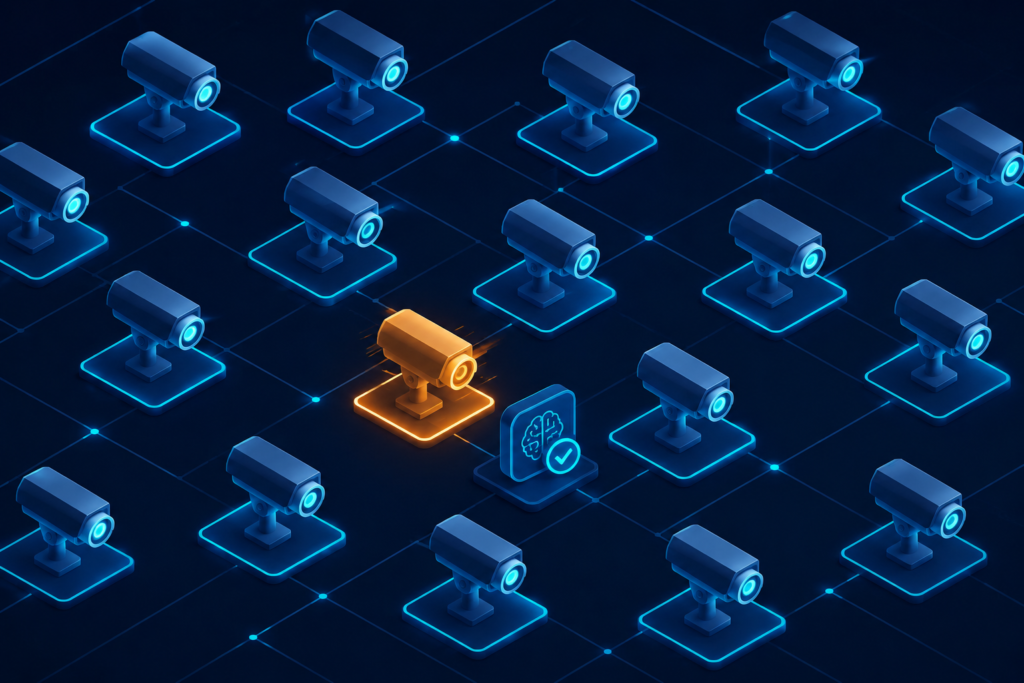
A security camera provides no protection if it stops recording without anyone noticing. Camera failures caused by network issues, power outages, hardware faults, or storage problems often remain undetected until after an incident occurs. This creates major security risks and can compromise investigations.
AI continuously performs Camera Health Monitoring, Automated Diagnostics, Offline Camera Detection, and Preventive Maintenance. Instead of waiting for manual inspections, the system automatically identifies recording failures, connectivity problems, or declining performance before they affect security operations. Early detection minimizes downtime and keeps surveillance systems operating reliably.
AI Camera Health Monitoring
| AI Function | Benefit |
| Camera health monitoring | Continuous visibility |
| Automated diagnostics | Faster maintenance |
| Offline camera detection | Immediate alerts |
| Preventive maintenance | Reduced downtime |
| System performance monitoring | Greater reliability |
Why Cloud-Based Monitoring Improves Security Operations
Cloud-based monitoring provides organizations with greater flexibility and stronger operational control. Security managers gain real-time access to cameras, analytics, reports, and investigations without depending on local servers or physical access to each facility. This improves collaboration between locations while enabling faster responses during emergencies.
The business advantages extend beyond technology. Organizations reduce infrastructure costs, improve Scalability, strengthen operational visibility, accelerate investigations, and create a more resilient security program. Combined with AI, Cloud-based Monitoring forms the foundation of modern intelligent security operations that reduce fatigue while improving overall performance.
AI Helps Combat Security Fatigue by Using Video AI for Smarter Threat Detection
Modern organizations can no longer rely only on human eyes to monitor hundreds of cameras every hour. Even experienced security personnel become tired after watching video feeds for long periods. Small details can easily be missed, especially during busy shifts or overnight monitoring. This is one of the biggest reasons why AI-powered Video Intelligence has become an essential part of modern Security Monitoring.
Instead of simply recording events, AI understands what happens inside every video frame. It identifies behavior, recognizes patterns, and highlights activities that deserve immediate attention. This allows Security Teams to spend less time searching for problems and more time preventing incidents before they become serious.
How AI Video Intelligence Understands Human Behavior
Traditional cameras record everything but understand nothing. They capture movement without knowing whether someone is shopping, working, or behaving suspiciously. Human operators must interpret every scene, which becomes difficult when monitoring dozens or even hundreds of cameras simultaneously.
Modern AI-powered Video Analytics combines Behavioral Analysis, Motion Intelligence, and Pattern Recognition to recognize normal activities and identify behavior that differs from everyday routines. Instead of treating every movement as important, AI studies how people normally interact within a location and quickly identifies actions that deserve further investigation. This intelligent understanding greatly improves monitoring accuracy while reducing unnecessary workload.
AI Understanding vs Traditional Video
| Traditional Video | AI Video Intelligence |
| Records activity | Understands activity |
| Motion detection only | Behavior recognition |
| Manual interpretation | Automated analysis |
| Limited context | Context-aware monitoring |
| Human review required | AI-assisted review |
AI Detects Suspicious Activities in Real Time
Speed is critical during a security incident. Waiting until after an event occurs often means valuable evidence is lost or damage has already happened. AI changes this approach by analyzing video continuously and detecting suspicious behavior as it happens.
Using advanced Threat Detection, Suspicious Behavior Recognition, Loitering Detection, and Restricted Area Violations, AI immediately notifies security personnel when unusual activities occur. Instead of reviewing hours of footage after an incident, teams receive alerts while events are still unfolding. This allows organizations to respond faster, reduce losses, and improve overall safety.
Examples of Real-Time AI Detection
| AI Detection Capability | Business Value |
| Threat Detection | Faster intervention |
| Loitering Detection | Prevents potential crime |
| Restricted area monitoring | Protects sensitive areas |
| Suspicious behavior recognition | Improves investigation quality |
| Real-time notifications | Faster response |
AI Anomaly Detection Finds What Humans Miss
People naturally become less attentive after long periods of repetitive monitoring. Fatigue makes it easier to overlook small but important changes in behavior. AI does not experience distraction or exhaustion, allowing it to monitor environments continuously with consistent accuracy.
Modern AI Models powered by Machine Learning perform Contextual Detection by comparing current events with historical activity. They identify Unusual Activity Identification that may otherwise remain unnoticed. For example, AI can recognize when an employee enters a restricted area at an unusual time or when customer movement differs significantly from normal traffic patterns. These insights help security teams investigate potential risks before they escalate.
Human Monitoring vs AI Monitoring
| Human Monitoring | AI Monitoring |
| Can become tired | Operates continuously |
| May overlook patterns | Detects subtle anomalies |
| Limited memory | Uses historical data |
| Manual comparison | Automatic comparison |
| Slower identification | Immediate detection |
Benefits of AI-Powered Surveillance
Organizations adopting AI-powered Surveillance gain much more than automated monitoring. AI continuously analyzes video, identifies high-risk events, and supports faster investigations without increasing employee workload. This creates a proactive security environment instead of a reactive one.
Businesses benefit through Proactive Monitoring, shorter investigation times, higher detection accuracy, and smarter Video Intelligence. Security teams become more productive because they spend less time searching through recordings and more time addressing verified security concerns. The result is improved operational performance and significantly reduced security fatigue.
“The best surveillance systems do not simply watch. They understand what they are watching.”
AI Helps Combat Security Fatigue by Turning Security Data into Actionable Intelligence
Modern businesses collect enormous amounts of information every day. Cameras generate video, point-of-sale systems record transactions, access control systems track employee movement, and operational software stores business data. Individually, these systems provide useful information. Together, they create valuable intelligence that improves both security and business operations.
Artificial intelligence connects these separate sources into one unified picture. Instead of reviewing information independently, organizations gain actionable insights that support faster investigations, stronger decision-making, and better operational performance.
Bringing Video and Business Data Together
Video alone cannot explain every event. A security camera may show someone opening a cash register, but it cannot explain whether the transaction was legitimate. By combining Video Analytics, Cloud Analytics, Business Intelligence, and Operational Intelligence, organizations gain a much deeper understanding of daily operations.
AI automatically connects video events with business information, making investigations faster and more accurate. Managers no longer need to compare multiple systems manually because the platform organizes related information into one searchable timeline. This saves valuable time while improving operational visibility.
Connected Data Sources
| Data Source | AI Insight |
| Video Analytics | Visual event analysis |
| POS systems | Transaction verification |
| Access control | Employee movement |
| Cloud analytics | Centralized reporting |
| Operational data | Business performance |
Integrating POS Transactions with Video
Retail organizations lose billions of dollars every year because of theft, fraud, pricing errors, and employee misconduct. Reviewing surveillance footage separately from sales records often requires hours of manual investigation.
AI links POS Transactions directly with recorded video, making Fraud Detection, Transaction Verification, and Loss Prevention much faster. Security teams simply search for a receipt number, refund, discount, or canceled transaction and immediately view the matching video. This dramatically reduces investigation time while improving accuracy.
Example POS Investigation
| Investigation Step | Traditional Process | AI Process |
| Find transaction | Manual search | Instant search |
| Locate video | Separate system | Automatically linked |
| Verify employee actions | Manual review | Immediate playback |
| Prepare evidence | Manual collection | Automated organization |
Access Logs Improve Investigation Accuracy
Every secure facility records who enters restricted areas and when they enter. However, access records alone do not explain what happened after someone entered a building. Combining access information with video provides much stronger investigative evidence.
AI integrates Access Control, Access Logs, and recorded Security Events to support Employee Investigations and incident reviews. Investigators can immediately verify whether an authorized individual entered a restricted area, how long they remained there, and what activities occurred during their visit. This creates faster, more reliable investigations while reducing manual effort.
Predictive Analytics Supports Better Decisions
Traditional security systems mainly respond after incidents happen. Modern AI goes further by identifying patterns that may indicate future risks. Historical trends, seasonal activity, customer behavior, and operational data help organizations prepare before problems develop.
Using Predictive Analysis, AI Analytics, Data-driven Decisions, and Improved Operational Visibility, organizations allocate resources more effectively, improve staffing decisions, strengthen security planning, and reduce unnecessary operational costs. Predictive intelligence transforms security from a reactive department into a strategic business function.
Business Benefits of Predictive Analytics
| Capability | Business Benefit |
| Predictive Analysis | Anticipates risks |
| AI analytics | Better planning |
| Operational visibility | Improved management |
| Historical trend analysis | Smarter decisions |
| Business intelligence | Increased efficiency |
AI Helps Combat Security Fatigue by Prioritizing Video Alarms Instead of Every Motion Alert
Many traditional surveillance systems generate alerts whenever movement occurs. A person, an animal, heavy rain, tree branches, or changing sunlight may all trigger notifications. Security staff quickly become overwhelmed because most alerts require investigation even though they pose no actual threat.
AI solves this problem by understanding what caused the motion before sending an alert. Instead of notifying analysts about everything, intelligent systems focus attention only on events that represent genuine security risks.
Why Traditional Motion Detection Creates Noise
Basic surveillance systems depend primarily on motion detection. While this technology is simple, it lacks understanding. Every movement appears equally important, regardless of whether it involves an employee, customer, wildlife, or weather conditions.
This constant flow of Motion Alerts, False Alarms, Environmental Triggers, and repeated notifications creates severe Alert Fatigue. Analysts eventually spend more time clearing harmless alerts than responding to meaningful security events. Productivity decreases while the risk of missing genuine threats continues to increase.
Common Sources of False Alarms
| Trigger | Threat Level |
| Moving trees | Low |
| Rain and snow | Low |
| Animals | Low |
| Vehicle headlights | Low |
| Authorized employees | Low |
AI Validates Threats Before Alerting Teams
AI examines each event before notifying security personnel. Instead of relying only on movement, it evaluates behavior, location, timing, object type, and surrounding activity. This intelligent analysis dramatically reduces unnecessary alerts.
Using Intelligent Alarms, Threat Validation, AI-powered Monitoring, and Contextual Notifications, AI sends alerts only when events meet predefined security conditions. Analysts receive fewer notifications, but each alert carries much higher confidence, making investigations faster and more effective.
AI Alert Validation Process
| AI Step | Outcome |
| Detect movement | Initial event |
| Analyze context | Understand situation |
| Validate threat | Confirm risk |
| Assign priority | Rank urgency |
| Notify team | Send meaningful alert |
Real-Time Alert Escalation Saves Critical Minutes
Some incidents require immediate attention. Unauthorized entry, violence, equipment tampering, or restricted area access can escalate within seconds. AI recognizes these high-risk situations and immediately increases alert priority.
Through Alert Escalation, Automated Notifications, Critical Event Detection, and Faster Response, organizations ensure the right personnel receive urgent alerts without delay. Quick escalation improves response time while reducing potential business losses.
Intelligent Video Alarms Improve Security Monitoring
Intelligent alarm systems transform the way security departments operate. Rather than responding to every notification equally, teams focus on the events that truly require investigation. This reduces stress while improving operational effectiveness.
Organizations experience better prioritization, significantly fewer false positives, stronger investigations, and higher Operational Efficiency. Employees remain more focused because AI removes repetitive distractions from their daily workflow.
“Every unnecessary alert steals attention from a real threat. AI gives that attention back.”
AI Helps Combat Security Fatigue by Delivering Industry-Specific Security Solutions
Different industries face different security challenges. A retail store worries about theft, while a warehouse focuses on inventory protection. Restaurants prioritize employee safety, and manufacturing facilities emphasize operational continuity. AI adapts to each environment rather than applying the same security rules everywhere.
Modern AI platforms learn industry-specific behaviors and deliver customized monitoring that improves both security and business performance. This flexibility makes intelligent security valuable across many sectors.
Retail
Retail businesses manage thousands of customer interactions every day. Employees process transactions, stock shelves, assist shoppers, and handle cash simultaneously. These busy environments create opportunities for theft, fraud, and operational mistakes. Manual monitoring cannot keep pace with every event.
AI improves Shoplifting Detection, strengthens Loss Prevention, verifies POS Verification, analyzes Customer Behavior Analysis, and supports Store Operations Optimization. Retail managers quickly identify suspicious activity while gaining valuable operational insights that improve customer service and profitability.
Retail AI Applications
| Challenge | AI Solution |
| Shoplifting | Shoplifting Detection |
| Refund fraud | POS verification |
| Long checkout lines | Customer flow analysis |
| Inventory loss | AI monitoring |
| Store performance | Operational analytics |
Warehouse
Warehouses often operate around the clock with large inventories, heavy equipment, and restricted access zones. Monitoring these facilities manually requires significant resources and constant attention.
AI supports Inventory Protection, Restricted Access Monitoring, Loading Dock Surveillance, Safety Compliance, and improved Logistics Visibility. Security teams receive alerts only when unusual activity occurs, allowing smoother warehouse operations while protecting valuable assets.
Restaurant
Restaurants manage cash handling, food preparation, employee safety, customer service, and multiple business locations simultaneously. Small operational mistakes can quickly affect profitability and customer satisfaction.
AI enhances Employee Safety, improves Cash Handling Verification, supports Customer Dispute Resolution, strengthens Food Safety Monitoring, and simplifies Multi-location Management. Restaurant owners gain better operational visibility while reducing security workload across every location.
AI Helps Combat Security Fatigue by Supporting Security Teams Instead of Replacing Them
AI is designed to assist people, not replace them. While AI can analyze large amounts of data, detect unusual behavior, and automate routine tasks, human expertise remains essential for making complex decisions and handling sensitive investigations.
By combining Artificial Intelligence (AI) with experienced Security Professionals, organizations create stronger and more reliable security operations.
AI Complements Human Expertise
AI provides Decision Support by analyzing events and highlighting risks, while humans apply judgment, experience, and business knowledge. This partnership improves investigation quality and reduces workload.
AI Copilots Increase Analyst Productivity
Modern AI Copilots assist analysts with Faster Investigations, Automated Recommendations, and Decision Assistance. Instead of starting every investigation from scratch, security teams receive relevant evidence and summaries instantly.
Security Operations Centers Become More Efficient
AI improves SOC Workflows through better Threat Prioritization, Continuous Monitoring, and intelligent automation. Analysts spend more time solving security issues instead of reviewing repetitive alerts.
Human Validation Remains Essential
Final decisions should always involve Expert Review, proper Risk Assessment, and responsible AI Governance. Human accountability remains critical for fair and accurate security management.
AI Helps Combat Security Fatigue by Improving Compliance and Business Operations
Security technology today supports much more than crime prevention. AI helps organizations meet regulatory requirements, improve documentation, and streamline everyday business processes.
By automating compliance tasks, organizations reduce administrative work while improving operational efficiency.
AI Simplifies Compliance Monitoring
AI supports Regulatory Compliance, Internal Compliance, Compliance Reporting, and stronger Security Governance by automatically tracking important events and maintaining accurate records.
Better Documentation with Automated Reporting
Automatic Audit Trails, Automated Reporting, Incident Documentation, and monitoring of Security Controls make audits faster and reduce manual paperwork.
AI Improves Operational Efficiency Beyond Security
AI benefits Operations Management through Workflow Automation, better Customer Experience, and higher Business ROI. Security data also helps managers improve staffing, customer service, and daily operations.
Building Trust Through Responsible AI Governance
Organizations should follow Ethical AI practices, maintain proper Data Management, reduce operational risks, and ensure Human Accountability in every AI-assisted decision.
AI Helps Combat Security Fatigue by Delivering Intelligent Video Security with Solink
Modern platforms like Solink combine AI, cloud technology, and business intelligence into one solution. This helps organizations simplify security while improving operational visibility.
Instead of managing separate systems, businesses can monitor cameras, investigate incidents, and analyze operations from one centralized dashboard.
How Solink Combines Cloud VMS with AI Video Intelligence
Solink integrates Cloud VMS, AI-powered Video Intelligence, Centralized Monitoring, and Multi-site Management to help businesses manage security from anywhere.
AI Features That Reduce Security Fatigue
Features such as AI Anomaly Detection, Intelligent Alerts, Automated Investigations, and Video Analytics reduce manual work and improve response times.
Business Intelligence Beyond Security
By connecting POS Integration, Operational Analytics, Incident Reporting, and Performance Optimization, Solink delivers insights that improve both security and business performance.
Why Solink Helps Organizations Scale Smarter Security Operations
Its Cloud-based Analytics, intelligent AI Workflows, and focus on Operational Efficiency help businesses build future-ready security operations while reducing employee fatigue.
Frequently Asked Questions (FAQs)
What is security fatigue in physical security?
Security fatigue is the mental exhaustion that occurs when security staff continuously monitor cameras, review alerts, and perform repetitive security tasks. It can reduce productivity and increase human error.
How does AI reduce alert fatigue?
AI uses Machine Learning, Behavioral Analysis, and intelligent threat prioritization to filter unnecessary alerts, reduce false positives, and notify teams only about meaningful security events.
Can AI replace security professionals?
No. AI supports Security Professionals by automating repetitive work and providing decision support, but humans remain responsible for investigations and final decisions.
What is AI-powered video intelligence?
AI-powered Video Intelligence uses Video Analytics, Machine Learning, and behavioral analysis to understand video content, detect threats, and improve security monitoring automatically.
How does Cloud VMS improve security monitoring?
Cloud VMS centralizes video management, enables remote monitoring, supports Cloud-based Analytics, and makes it easier to manage multiple locations from one dashboard.
What industries benefit most from AI-powered surveillance?
Retail, warehouses, restaurants, healthcare, manufacturing, logistics, banking, education, and corporate offices all benefit from AI-driven security monitoring and operational insights.
How does AI improve compliance monitoring?
AI automates Compliance Reporting, maintains Audit Trails, generates Incident Documentation, and supports Security Governance, making compliance easier and more accurate.
Is AI security automation suitable for small businesses?
Yes. Many cloud-based AI security platforms are scalable, allowing small businesses to automate monitoring, reduce manual work, and improve security without large infrastructure investments.
Conclusion
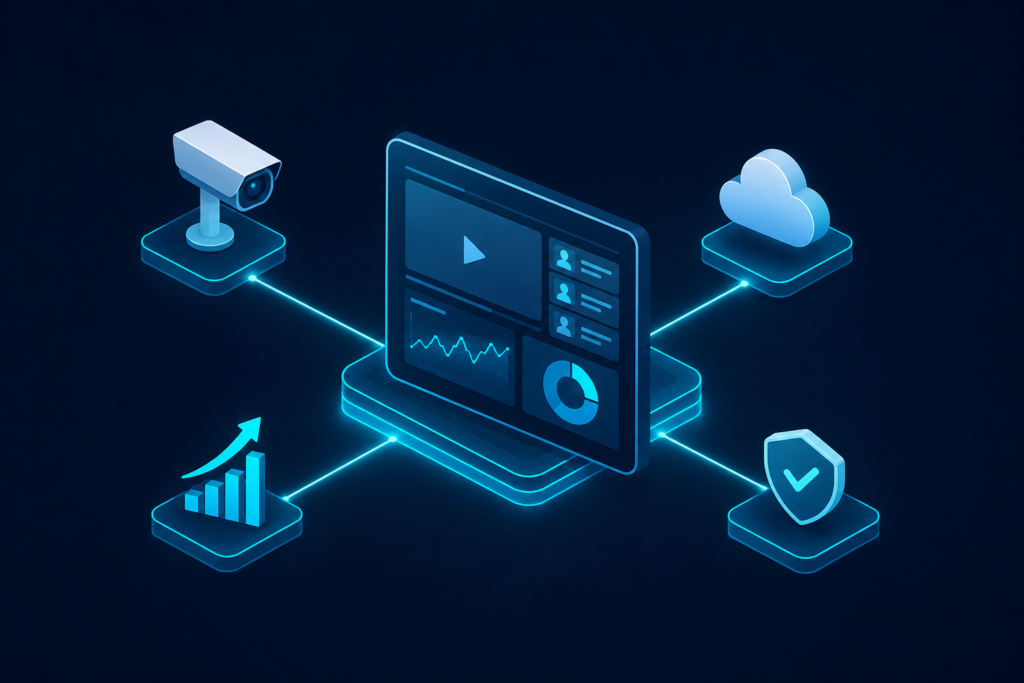
AI helps combat security fatigue by reducing alert overload, automating repetitive workflows, improving Security Monitoring, and delivering smarter insights through AI-powered Video Intelligence and Machine Learning. Instead of overwhelming security teams with endless notifications, AI prioritizes real threats, accelerates investigations, and improves overall operational efficiency.
Most importantly, AI is not a replacement for people. It is a powerful assistant that enables Security Teams to make faster and better decisions while reducing stress and burnout. As organizations continue adopting Cloud-based Analytics, Security Automation, and intelligent video technologies, they can build scalable, efficient, and future-ready security operations that strengthen compliance, improve business performance, and create safer environments for everyone.